Texture and pattern will help your create depth in your decorating, and so it can play with your senses. All surfaces or material have some texture or feel, but you should note it is a lot more than a surface or material being rough or smooth. Textures can make a room seem smaller, cozier, cold, and even impersonal. These feelings occur when the pattern in the texture is repeated.
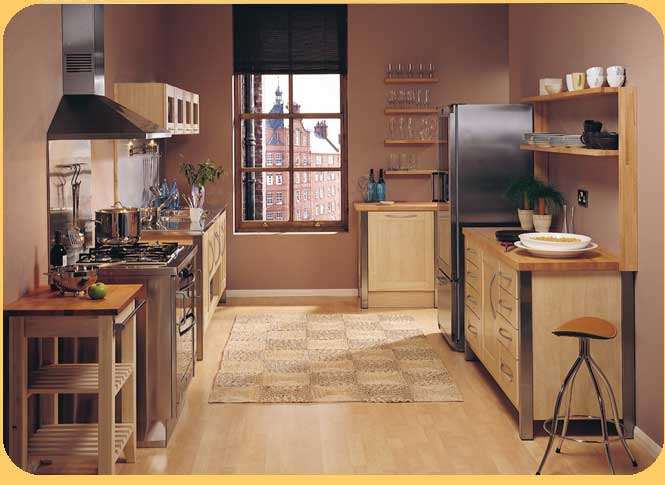
Texture and Pattern
Texture also affects pattern. Texture can make a pattern on a surface seem less coarse. It affects colour as well; it can make a colour seem more intense. Thus texture can be your decorative tool to draw attention to an architectural area and help create a focal point. The picture below is a good example of the use of colour and texture to help draw the eye towards the focal point. The effect is obvious by the contrast of colour and texture.

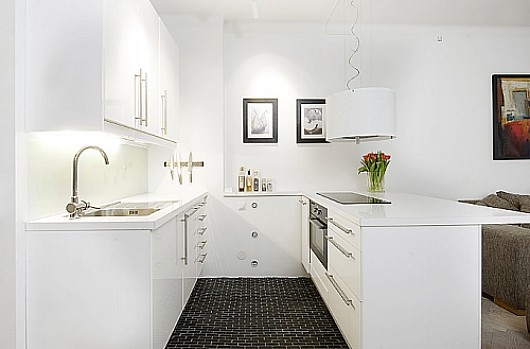
It is a good idea to reduce contrast of textures when a room is small. Above, is a small kitchen. Contrast is kept to a minimum. The black is restricted to certain areas and the white is used on the wall, cabinets, and countertops.
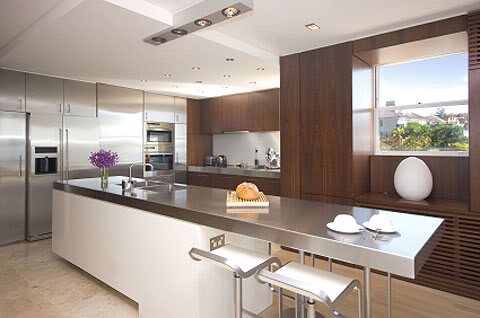
Contrary to a small room, the wood and metal in this room offers a high contrast of texture, but its smooth appears lessens the contrast.
Another thing you should know is that textures reflect light. Some textures absorb light better than others, and some reflect light better than others. Some styles rely on the use of light to create the desired mood. For instance, the contemporary style makes full use of light; it is preferable that materials and surfaces reflect light, rather than absorb light.
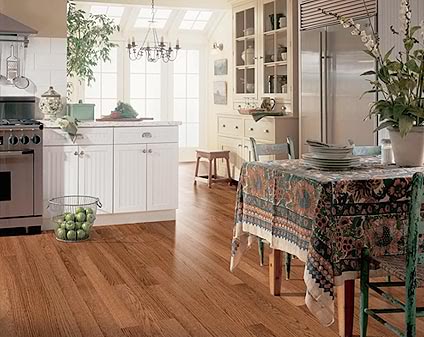
The Right Combination of Texture and Pattern
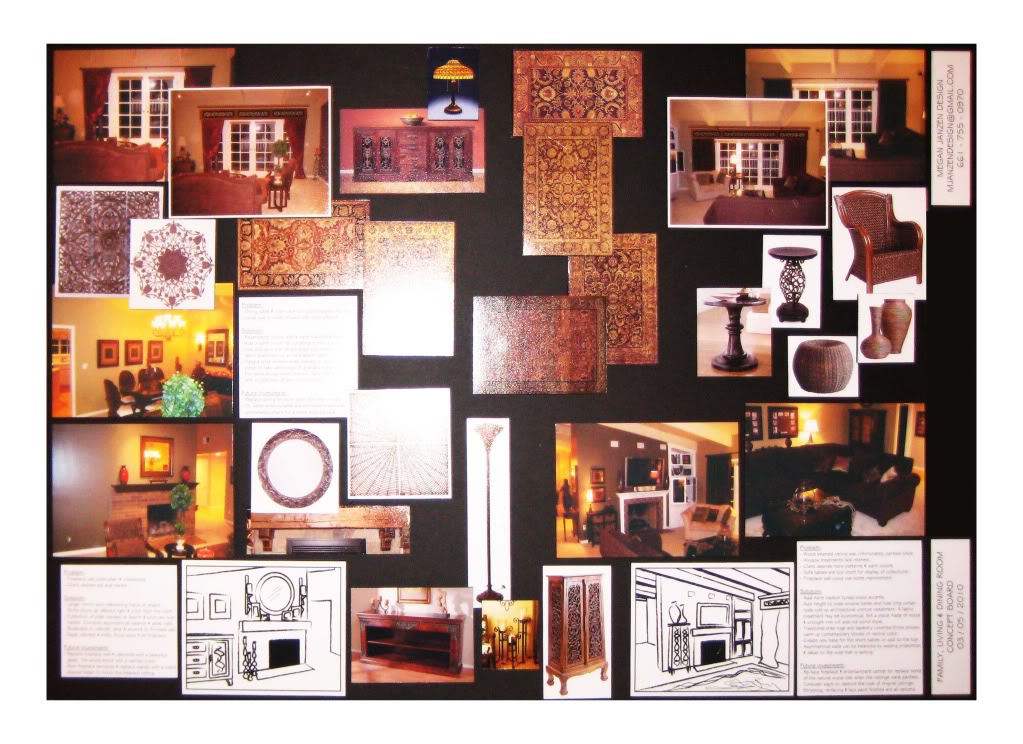
To conclude, remember texture is what helps you create style, and makes a bold or a subtle statement. It makes use of pattern, colour and light. The right combination can be daunting at times, so select with care. If you don’t trust your instincts you can always seek out the ideas of professionals and their suggested collections of various items for certain styles and moods. Another thing you can do is to create a swatch board where you can compare the samples of fabrics, wood finishes, and other surface materials.
.
